

What Is Ink Fingerprinting?
Ink fingerprinting is a traditional method where fingerprints are captured on physical fingerprint cards. Common cards include FD-258 and FD-1164 used for FBI and out-of-state requirements. This method is often required for federal agencies and international background checks. Accuracy is critical to avoid rejection. Each fingerprint is rolled carefully by a trained technician. Completed cards are mailed to the requesting agency. Ink fingerprinting remains widely accepted. Professional execution is essential.
What Is Live Scan Fingerprinting?
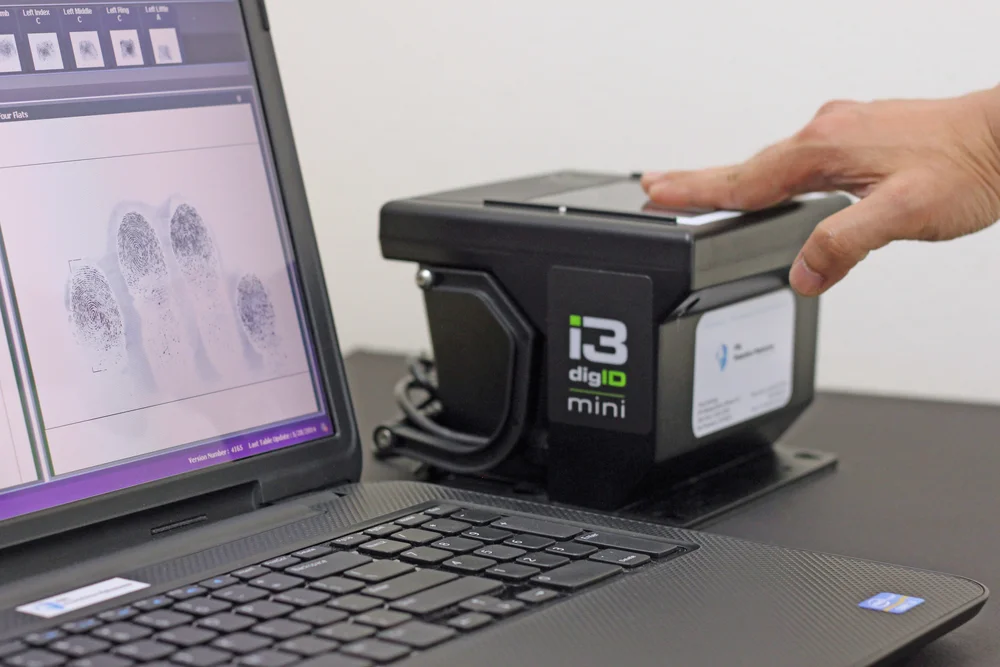
Live Scan fingerprinting is a digital process that electronically submits fingerprints to the California DOJ and FBI when required. It is commonly used for employment, licensing, certifications, and volunteer roles. Live Scan eliminates ink and physical cards. Electronic submission allows faster processing times. The process follows DOJ guidelines. Live Scan reduces mailing delays and errors. It is widely used in California. Many agencies require Live Scan.
Key Differences Between Ink and Live Scan
The main difference between ink and Live Scan is how fingerprints are captured and submitted. Ink fingerprinting uses physical cards, while Live Scan is fully electronic. Ink cards are often required for out-of-state or federal use. Live Scan is typically required for California-based background checks. Processing times vary between the two methods. Each serves a specific purpose. Understanding requirements is critical. Choosing correctly avoids delays.
Which Service Is Right for You?
The correct fingerprinting method depends on the requesting agency’s instructions. Some agencies specifically require ink fingerprint cards. Others mandate Live Scan submissions. Reviewing paperwork carefully is essential. A professional fingerprinting provider can help guide your decision. Selecting the wrong method may cause delays. Accuracy and compliance are key. Preparation saves time. Professional advice helps.
How a Professional Fingerprinting Provider Helps
A professional provider ensures fingerprints meet agency standards. They verify identification and documents before fingerprinting. Clear instructions are provided for submission. Professionals reduce the risk of rejected prints. They stay current with regulations. Their experience improves efficiency. Clients gain peace of mind. Professional service adds value.